Tel: +86-769-82828872
Email: sales@automachines.cn
Home
About Us
Products
Medical catheters processing machines
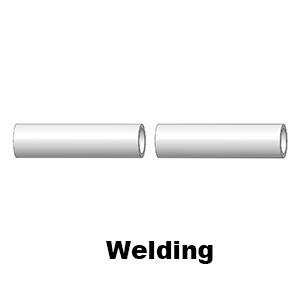
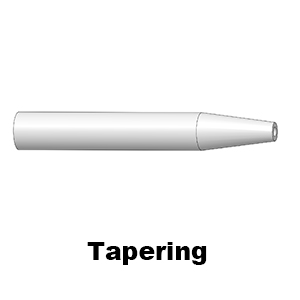
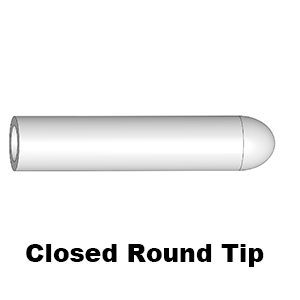
Tip forming/welding machines
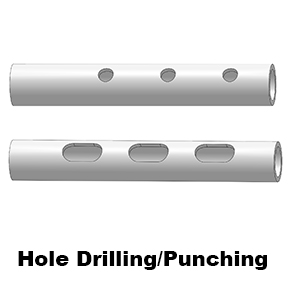
Hole punching/drilling machines
Thermo-forming machines
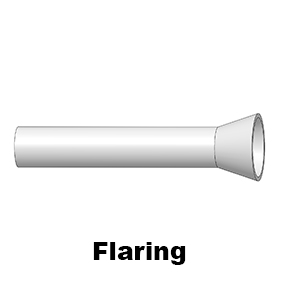
Flaring machines
Printing machine
Balloons forming machine
Gluing machine
Medical products production equipments
Medical Catheters extrusion line
Medical Plastic parts injection molding machine
TPU calendering film production line
PP film blowing machine
Shoecover/cap/mask making Equipments
Die & Tools
OEM Service
OEM/ODM Service
News
Contact Us
Home
About Us
Products
Medical catheters processing machines
Tip forming/welding machines
Hole punching/drilling machines
Thermo-forming machines
Flaring machines
Printing machine
Balloons forming machine
Gluing machine
Medical products production equipments
Medical Catheters extrusion line
Medical Plastic parts injection molding machine
TPU calendering film production line
PP film blowing machine
Shoecover/cap/mask making Equipments
Die & Tools
OEM Service
OEM/ODM Service
News
Contact Us
Search
Tel: 123123213123
Email: email@email.com
English
中文 (中国)
Home
About Us
Products
Medical catheters processing machines
Tip forming/welding machines
Hole punching/drilling machines
Thermo-forming machines
Flaring machines
Printing machine
Balloons forming machine
Gluing machine
Medical products production equipments
Medical Catheters extrusion line
Medical Plastic parts injection molding machine
TPU calendering film production line
PP film blowing machine
Shoecover/cap/mask making Equipments
Die & Tools
OEM Service
OEM/ODM Service
News
Contact Us
About Us
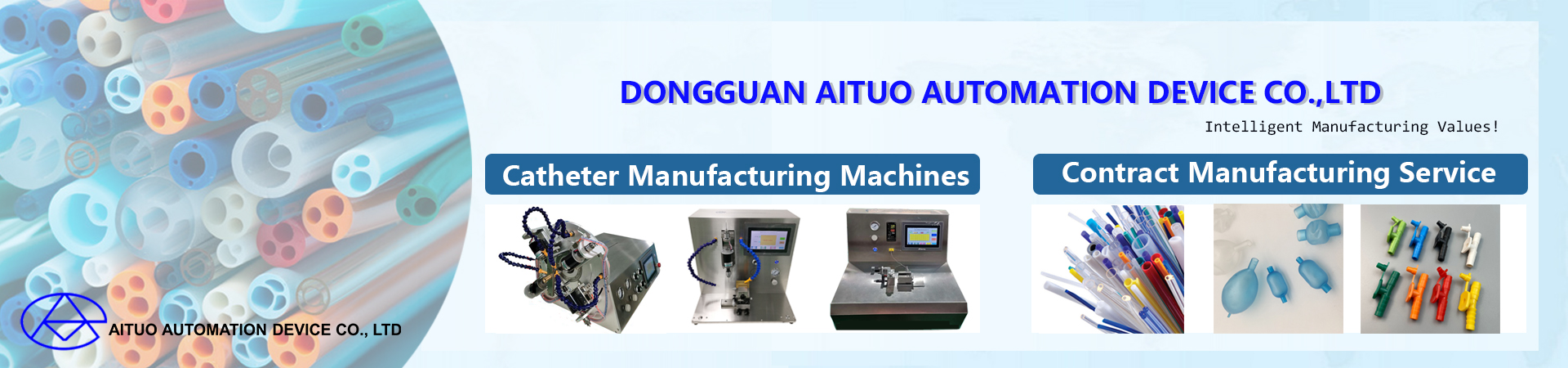
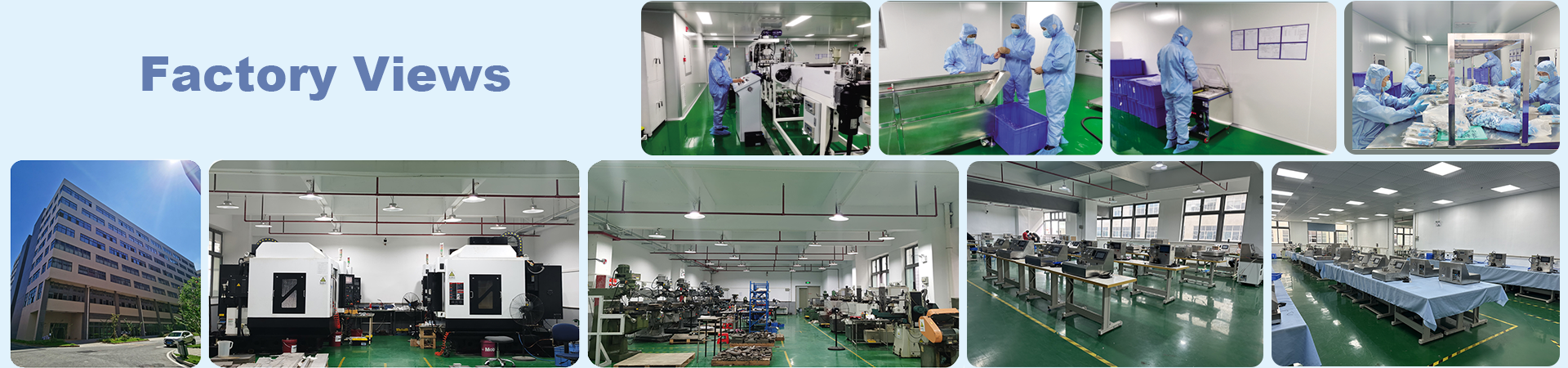
Dongguan Aituo Automation Device Co.,Ltd Is Focus On Innovotive Catheter Manufacturing Machines.
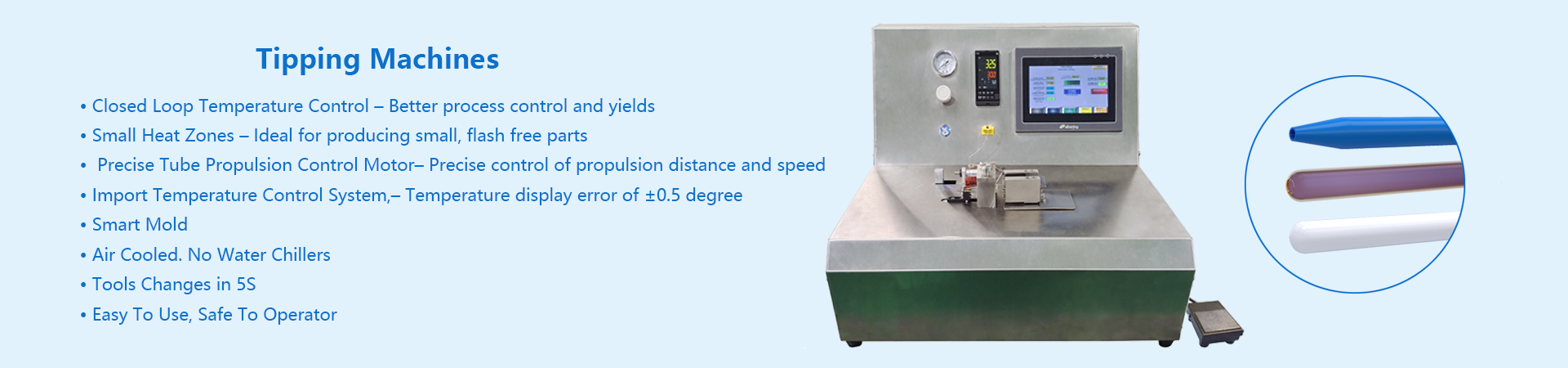
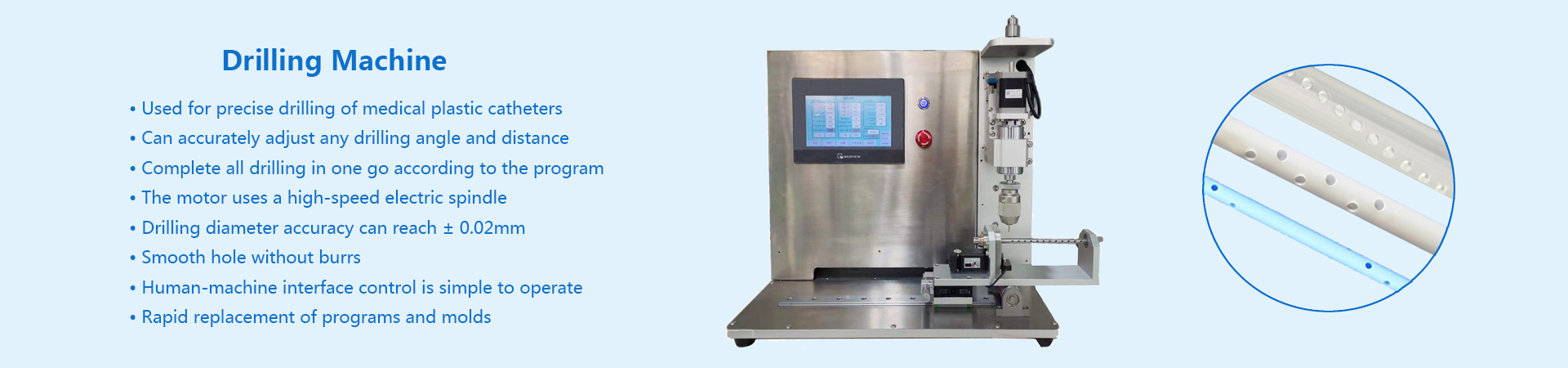
Catheter Tipping&Hole Punching Solution For Your Success
Learn More
Products
Equipment
Die&Tools
Contract Manufacturing
Solutions & Processing Technology
Trusted By
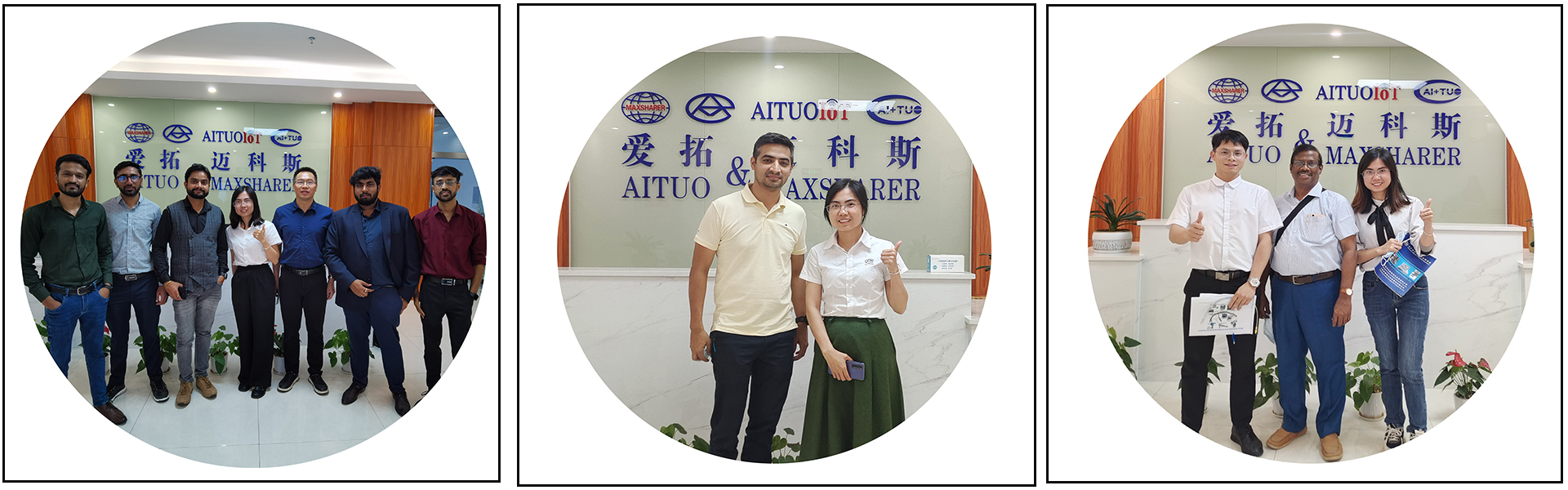
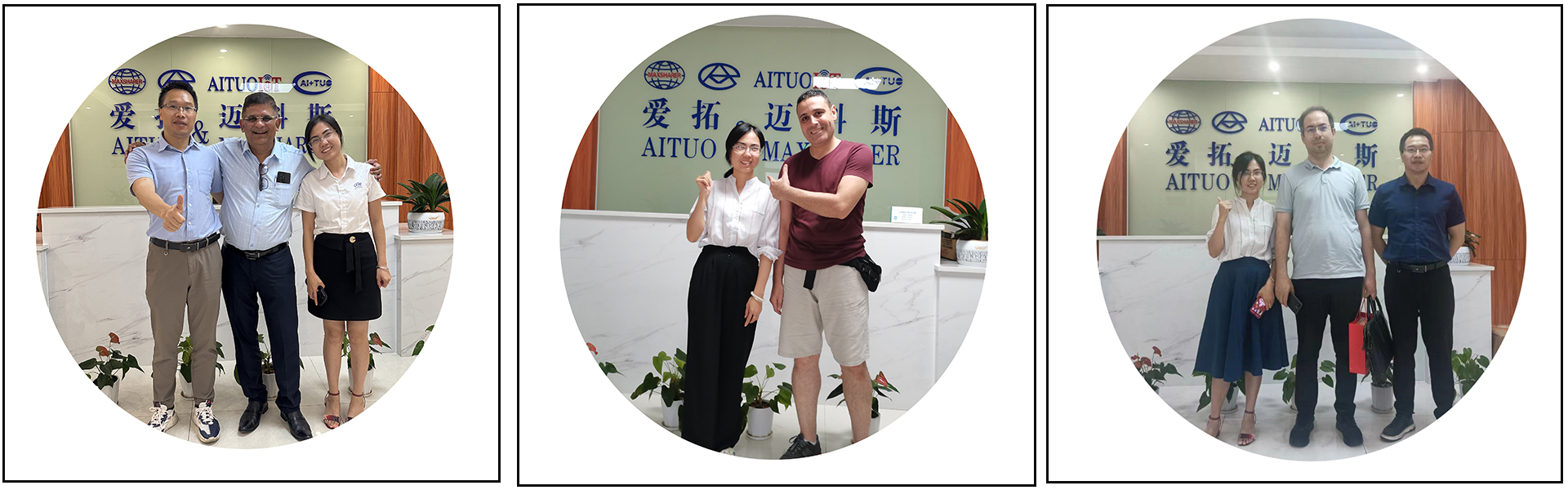
Customers from different countries visit us to discuss cooperation!
Name
Email
Message
Send
Facebook
Twitter
LinkedIn
ONLINE
Cici
Ivy
Paul
Jane
Cici